Showing posts with label India. Show all posts

Who will be the Next Global Superpower? : China "or" Russia "or" India.

World is on the cusp of a major shift in global power. The question on everyone's mind: who will be the next superpower?".


In the world of geopolitics, power is constantly shifting. And with the rise of new players on the global stage, the balance of power is about to be upset once again."

For decades, the United States has reigned supreme as the world's sole superpower. But as we look ahead to the future, it's becoming increasingly clear that a new contender is emerging. With tensions rising between traditional powers and the ascent of new players, the world is at a crossroads. Who will emerge as the victor in the struggle for global dominance. The Recent Development in Global trade is indication of Collaboration economy, where the superpowers will be emerge from collaborations.

Predicting the next superpower is a complex issue, and there is no clear answer. While China, Russia, and India are all contenders, each country faces its own unique challenges and advantages. Ultimately, the country that becomes the next superpower will depend on a range of factors such as economic growth, political stability, military power, and technological advancements. While there are several countries that could potentially become the next superpower, the three countries that are most commonly discussed are China, Russia, and India.

China: The Rising Giant

China's impressive economic growth and technological advancements make it a strong contender for the next superpower. With a population of over 1.4 billion people, China has a massive workforce that can drive economic growth and innovation. Its political system has also been highly effective at implementing long-term plans and policies, which has helped to sustain its economic growth. China's investments in cutting-edge technologies such as artificial intelligence and quantum computing also demonstrate its commitment to staying ahead of the curve. By highlighting these points, you can make a persuasive case for why China is the most likely candidate for becoming the next superpower.

Russia: The Military Powerhouse

Russia's military power and significant natural resources make it a formidable candidate for becoming the next superpower. Its highly centralized political system allows for rapid decision-making and implementation of policies, which can give it an edge in strategic planning. Additionally, its advanced military capabilities and vast natural resources such as oil and gas give Russia significant geopolitical influence. By emphasizing these strengths, you can make a persuasive case for why Russia is a strong contender for becoming the next superpower.

India: The Democratic Alternative

India's impressive economic growth and democratic political system make it a compelling candidate for becoming the next superpower. Its highly educated workforce and stable political system provide a solid foundation for sustained economic growth. Additionally, India's democratic values and institutions give it an edge over countries like China and Russia, which have more authoritarian political systems. By highlighting these strengths, you can make a persuasive case for why India could be the next superpower.

The Dollar's Reign is Under Threat: 5 Threats to Dollar that Could Shake The Global Trade

According to several critics, News agencies including; Business Insider, the US dollar's position is increasingly under threat from emerging rivals and alternative currencies.  Several countries are pushing plans to increase the use of alternative currencies. Nations from China, Russia, India, Brazil, and others are pushing for settling more trade in non-dollar units, from local currencies to a gold-backed stablcoin and a new BRICS reserve currency. Here are five rising challenges to the greenback's dominance of international trade and investment flows.

1- The rise of cryptocurrencies


Cryptocurrencies, such as Bitcoin, are becoming more widely accepted, and some people believe that they could eventually replace traditional currencies. Bitcoin is already used for cross-border payments, and some businesses are accepting it as payment. If cryptocurrencies become widely accepted, they could undermine the dollar's dominance in international trade.


3- Russia and Iran eye on a gold-backed stablecoin

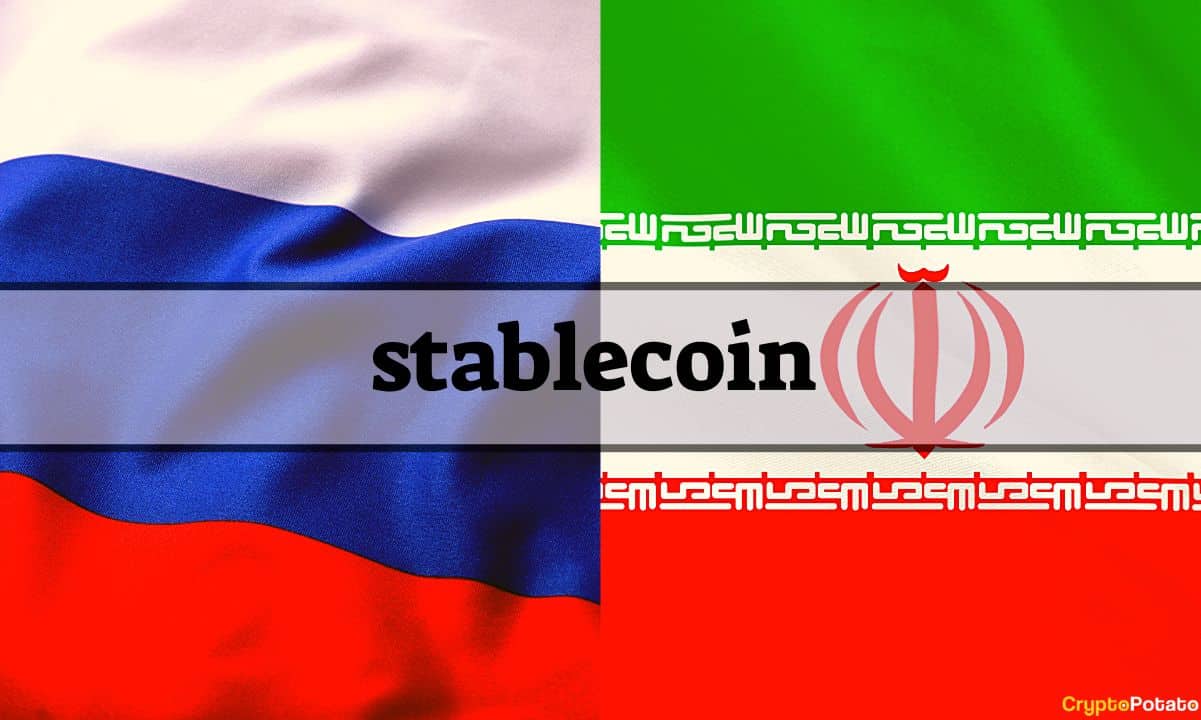
Russia and Iran are working on a cryptocurrency backed by gold, a 'stable-coin' that could replace the dollar for payments in international trade. The two countries, which have been hit by Western sanctions, want to issue a "token of the Persian region" for use in cross-border transactions, with a plan to launch it in a special economic enclave in Astrakhan in southern Russia, which already handles Iranian shipments. However, the project can only move forward once Russia's market for digital assets is fully regulated, according to a Moscow lawmaker. Russia and Iran have stepped up their push to "de-dollarize" in recent months, according to think tank the Jamestown Foundation.


3- UAE and India look at using rupees in non-oil trade

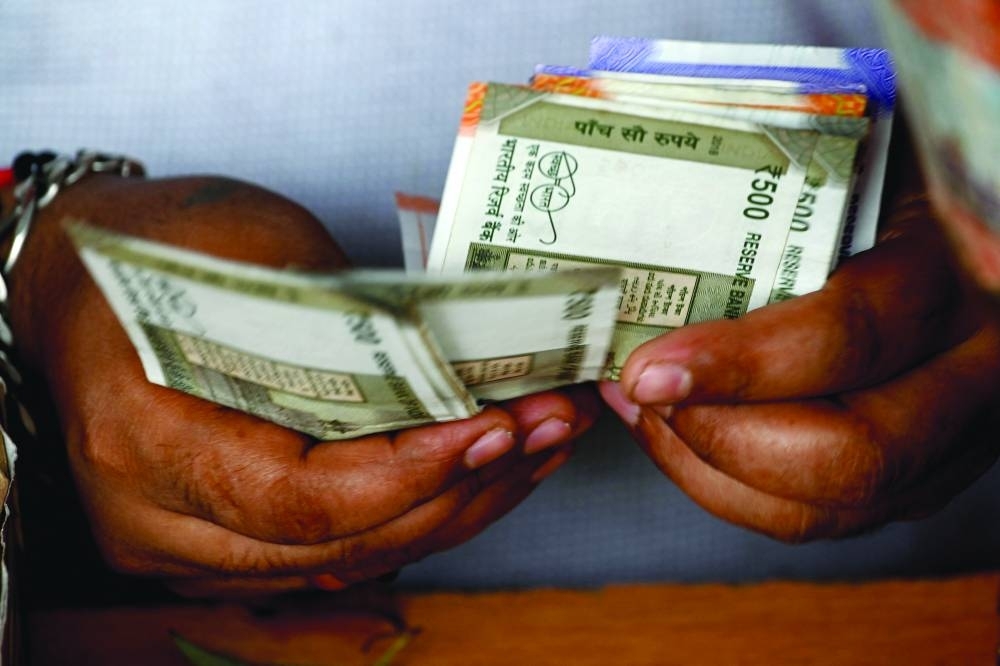
The UAE and India have floated the idea of conducting non-oil trade in rupees. This move would build on a free trade agreement signed last year, which aims to boost trade excluding oil between the two countries to $100 billion by 2027. China has also pondered on the idea of settling non-oil trade in local currencies that exclude the greenback, according to minister of state for foreign trade of the UAE Thani bin Ahmed Al Zeyoudi.


4- China pushes for the yuan to replace the dollar in oil trades

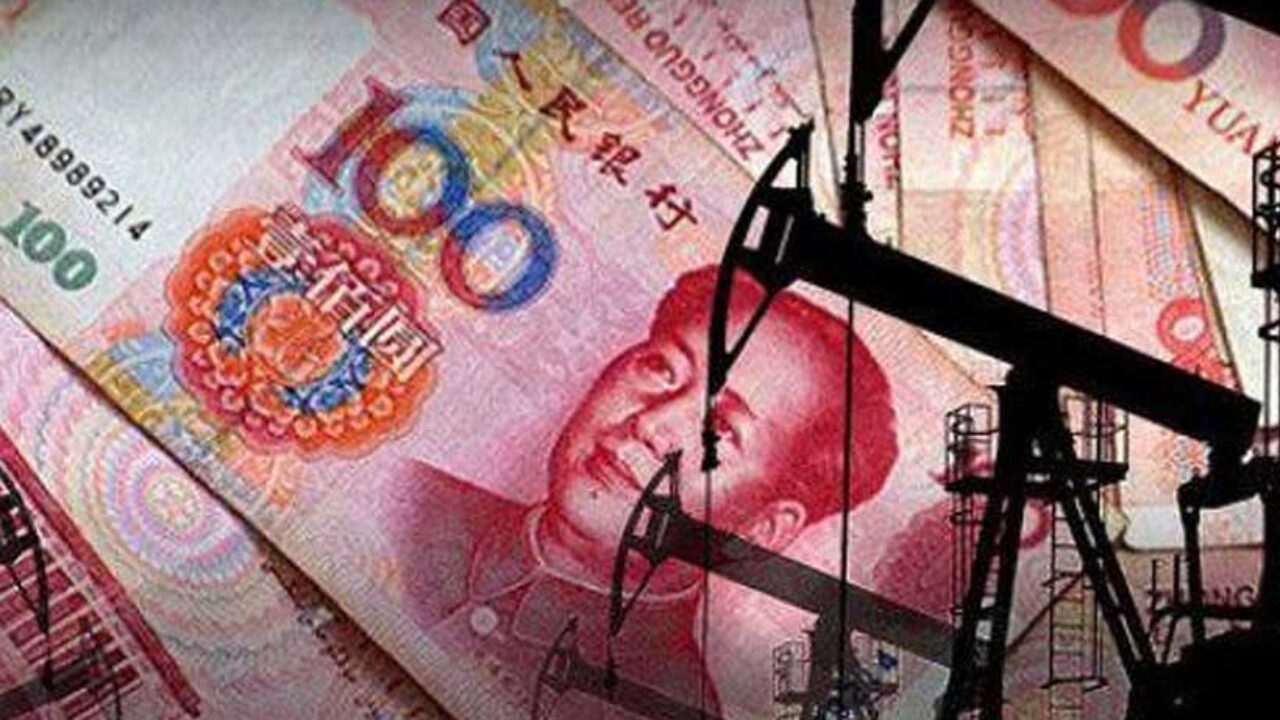
China is looking to weaken the dollar by pushing for the yuan to replace the greenback in oil trades. The move could reduce China's dependence on the US currency and provide a way for other countries to avoid using the US dollar. China has already made progress in this area, with many oil-producing countries, including Russia and Iran, already using the yuan in oil trades.


5- Brazil and Argentina plan a common currency

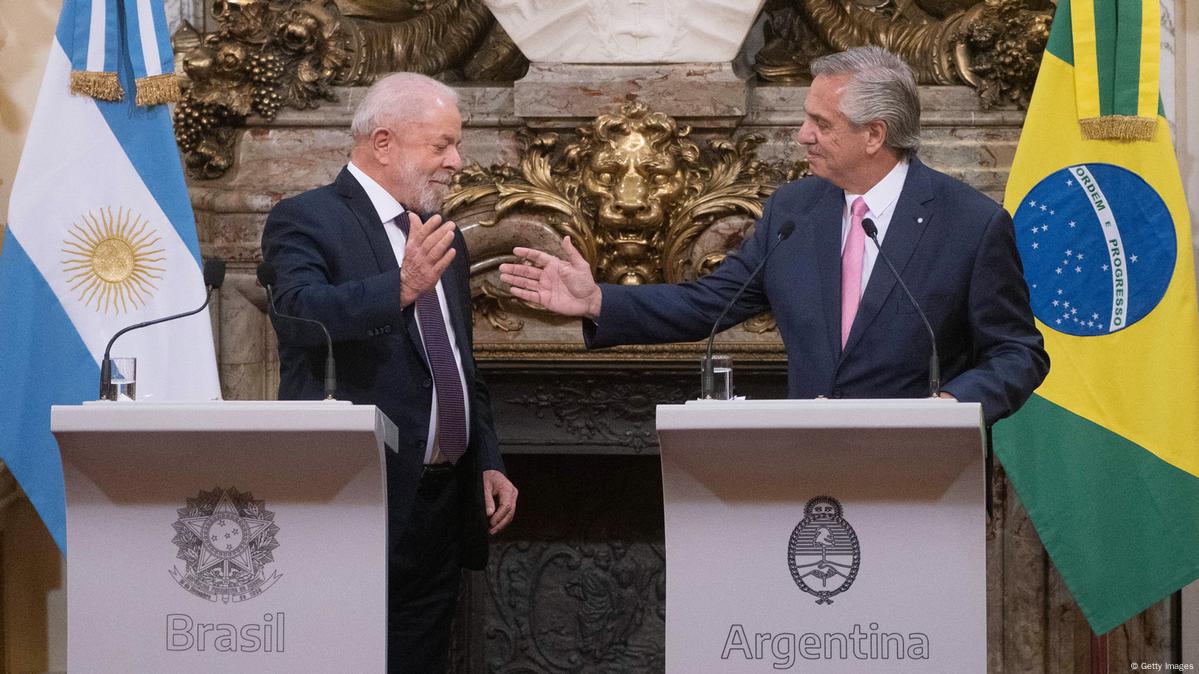
Brazil and Argentina have recently announced that they are planning to launch a joint currency, named the "sur" (south), that could eventually become a euro-like project embraced by all of South America. The move could help boost South American trade, because it would avoid conversion costs and exchange rate uncertainty. According to the Federal Reserve, the US dollar accounted for as much as 96% of the trade between North and South Americas from 1999 to 2019.

#World Business Desk


Popular Posts