Showing posts with label Technology Columns. Show all posts

CZ Call for the Crypto Industry to Unite: Fight Against FUD Campaigns

The crypto industry is no stranger to fear, uncertainty, and doubt (FUD) campaigns that seek to damage the reputation of companies and individuals. Recently, Binance, one of the world’s largest cryptocurrency exchanges, has been facing such attacks. However, Binance CEO Changpeng Zhao, popularly known as CZ, is not taking these attacks lying down. He is calling out crypto news outlets and key opinion leaders (KOLs) for spreading FUD and promoting unity in the crypto industry. In this blog, we will explore how CZ is fighting FUD and fostering growth in the crypto industry.


FUD Campaigns and Competitor Exchanges:

FUD campaigns are not new to the crypto industry, and CZ believes that rival exchanges are likely sponsoring them to damage Binance’s reputation. These campaigns often start with a single tweet or post that spreads like wildfire, causing panic and doubt among investors. CZ has previously addressed this issue, urging the crypto community to remain vigilant against such tactics. In a recent article published by The Currency Analytics, CZ highlighted how the FUD campaign against Binance started with a tweet from someone claiming to be a Binance insider. Various news outlets and KOLs then picked up and propagated this tweet, giving it undeserved credibility. This behavior not only harms Binance but also the entire crypto industry.

Call for Unity in Crypto Industry:

CZ’s response to the FUD campaigns is not to retaliate but to promote unity in the crypto industry. In a tweet, CZ stated, “Our industry needs to unite at this juncture.” He believes that the FUD campaigns will eventually subside, and those who engage in such tactics will only harm themselves in the long run. The crypto community must stand together in the face of adversity and focus on fostering growth and innovation, leaving petty competition and jealousy behind.

The Importance of Unity:

Unity in the crypto industry is critical, especially at a time when the industry is facing significant challenges. Regulatory uncertainty and negative public perception are among the most significant obstacles. Therefore, it is essential to work together and support each other. CZ’s call for unity is a reminder that the crypto industry needs to unite to overcome these challenges and continue to foster innovation and growth.

The crypto industry is no stranger to FUD campaigns, but Binance CEO Changpeng Zhao is fighting back with a call for unity. His unwavering optimism and faith in the industry's potential are inspiring, and his call for collaboration is a reminder that the crypto industry can achieve great things when it works together. Fostering growth and innovation is the key to the crypto industry's success, and unity is the foundation on which this growth.


Why Tech Companies are Laying Off Employees Despite Record-Breaking Profits?

The pandemic has caused significant disruptions to the economy, and the tech industry is no exception. Despite the record-breaking profits many tech companies have seen during the pandemic, they have also announced layoffs, causing confusion and concern among employees and the general public.


Why Layoffs are Happening?

The primary reason for job cuts is to save the company money. Although there is an initial cost to laying off employees, it is often seen as a way to reduce expenses and improve profitability. In some cases, companies may have hired too many workers during the pandemic, leading to an excess workforce. Therefore, they may need to make cuts to maintain the right-sized workforce. However there are also some other several reasons are there behind this scenario which is discussed further below in the article.

Tech Companies and the Pandemic

Tech companies initially saw tremendous growth during the pandemic due to the shift towards e-commerce. However, many companies made investments based on the assumption that this growth would continue, but this did not happen. Consequently, many companies had to adjust their spending and make layoffs to balance their finances.

What Tech Companies are Saying

Most tech companies have made public statements about their layoffs, emphasizing the changing market conditions and the need to optimize their operations. For example, Meta stated that they made significant investments at the start of Covid based on the assumption that e-commerce would continue to grow. However, this did not happen, leading to their decision to make job cuts.

Spotify CEO, Daniel Ek, expressed his ambition to sustain the strong tailwinds from the pandemic but acknowledged that they invested ahead of their revenue growth, leading to the layoff of about 6% of their workforce. The CEO of Salesforce also admitted that they hired too many people leading into the current economic downturn, causing them to lay off workers.

The Future of the Tech Industry and Its Workforce

The pandemic has caused a significant shift in the tech industry, and it is uncertain how long these conditions will persist. Although many companies have laid off employees, others are still hiring. The future of the tech industry and its workforce remains in a period of transition. However, as the economy recovers, it is possible that companies will rehire employees to meet the growing demand.

Apple Pay Later: Buy Now and Pay Later Trend That Is Changing The Game!

Apple's new feature called Apple Pay Later offers customers the option to split payments for their online purchases into four installments over six weeks, with the first installment due at the time of purchase. It is being launched amidst a growing trend of buy now, pay later services. The feature is designed with users' financial health in mind and is a great option for managing finances, but customers should use it responsibly. Apple's partnership with Goldman Sachs for loan processing ensures that the feature is secure and trustworthy.


Apple has launched a new digital wallet option called Apple Pay Later, allowing customers to split payments for their online purchases into four installments over six weeks, with the first installment due at the time of purchase. Additionally, Apple users can apply for a loan of up to $1,000 within the Wallet app with no interest or fees to make online or in-app purchases. The payment option is being rolled out to select users in the United States now, with plans to offer it to all eligible customers over the next several months.

The new feature has been launched amidst a growing number of consumers turning to buy now, pay later services to manage their budgets at a time of high inflation and broader economic uncertainty. Other popular services that offer the same payment option include Affirm, Klarna, and Afterpay. However, some economists and consumer advocates are concerned that these services could lead to shoppers taking on more debt.

Apple, however, says that this new feature is "designed with users' financial health in mind." Apple Pay Later offers an alternative to credit cards and traditional loans, making it easier for customers to manage their finances by spreading out their purchases over a period of time. Additionally, Apple's partnership with Goldman Sachs for loan processing ensures that the feature is secure and trustworthy.

Apple Pay Later is a great option for customers looking to manage their finances and make purchases in a way that works for them. However, it is important to remember that it is still a form of credit and should be used responsibly. As with any financial product, customers should understand the terms and conditions and ensure that they can afford to make the payments before using the service.

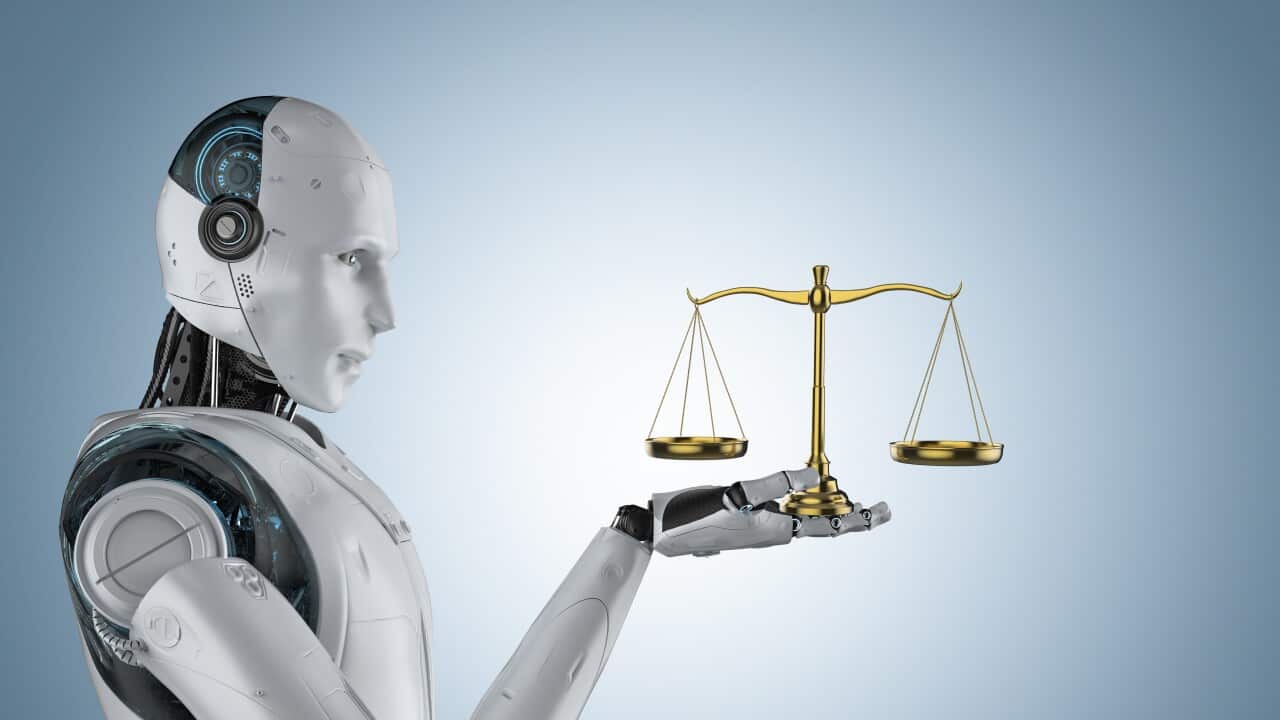
AI Lawyer on Trial: The World's First Artificial Intelligence Lawyer Sued for Unlicensed Practice in the US

DoNotPay, a startup that developed the world’s first robot lawyer, is facing a class action lawsuit for allegedly practicing law without a license in the United States.  The Chicago-based law firm, Edelson, filed the lawsuit on behalf of Jonathan Faridian, who used DoNotPay to draft legal documents, including a job discrimination complaint, demand letters, and small claims court filing.

DoNotPay, founded in 2015 as an app to help customers dispute parking tickets, now offers legal services using artificial intelligence (AI) to assist customers in fighting corporations, finding hidden money, and suing anyone. However, the lawsuit alleges that DoNotPay is not a robot, a lawyer, or a law firm, does not have a law degree, is not barred in any jurisdiction, and is not supervised by any lawyer.

DoNotPay’s CEO, Joshua Browder, and his company have defended AI’s ability to take up the law profession, describing it as an alternative and inexpensive solution to lawyers. But the lawyers have accused the company of being a technology firm that manipulates users and acts like a lawyer.

The court warned against using DoNotPay’s AI in its first court appearance on February 22, and the lawsuit also includes comments from several customers who complained about paying more than double the amount they should have paid to the court because of AI's advice.

The lawsuit alleges that there would have been no problem if DoNotPay described the AI as a “legal adviser” instead of a lawyer, but the company deliberately lied to market this software in a manipulative way.

DoNotPay's AI received more than 90% bad reviews on the internet and social media, prompting the lawyers to accuse the CEO of fraud by persuasion and informatics fraud.

Is DoNotPay’s robot lawyer the future of legal practice, or is it a fraud? The lawsuit raises important questions about the role of AI in the legal profession and the limits of its capabilities. While AI can assist in certain legal tasks, it cannot replace the legal expertise, ethical considerations, and emotional intelligence of a human lawyer.

As the legal profession continues to evolve, it is important to ensure that AI-based solutions comply with legal and ethical standards and are transparent about their capabilities and limitations. The lawsuit against DoNotPay’s robot lawyer serves as a reminder that innovation should not come at the cost of consumer protection and the integrity of the legal profession.

Popular Posts